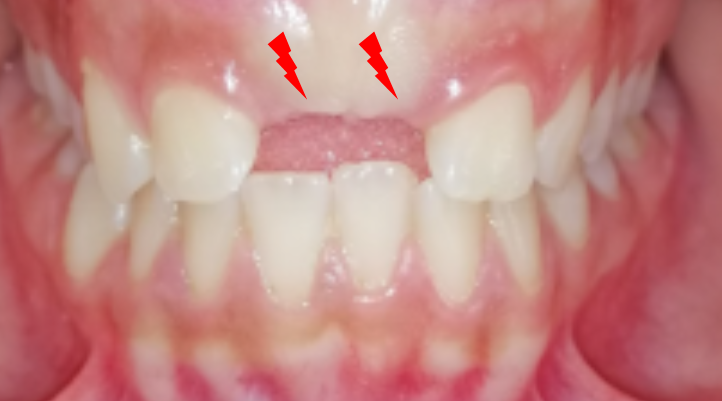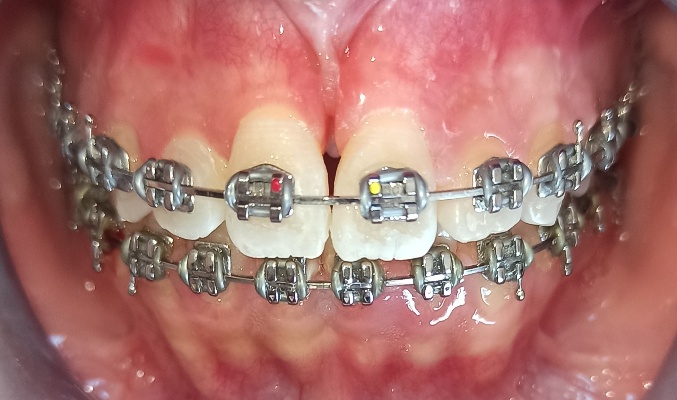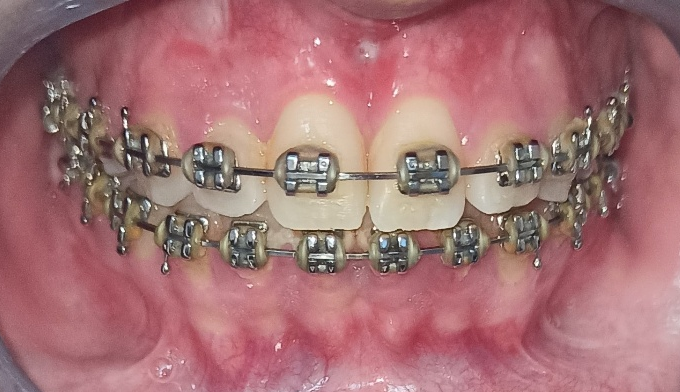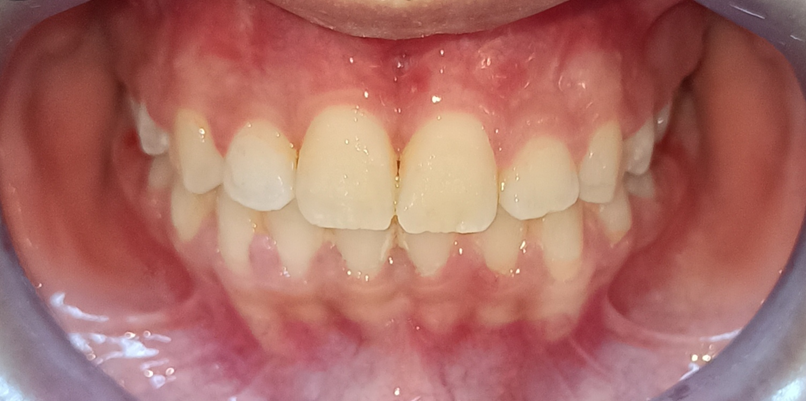
Every patient asks this before starting treatment. The honest answer is: it depends. But there are clear factors that determine your timeline and some habits that make it longer than necessary.
The most common question from orthodontic patients at Al-Fairoz in Al-Khobar is simple: how long will this take? The short answer is that treatment duration varies from person to person. But that answer is not useful on its own. Here is the full picture.
The complexity of your case is the biggest factor. A slight gap between front teeth takes months. A significant overbite with crowding takes years. Your age matters too: younger patients move through treatment faster because the jaw is still developing. Adults see results, but the bone is denser and movement is slower.
The type of braces matters less than people think. Metal, ceramic, and Invisalign all move teeth through the same biological process. The difference is comfort and aesthetics, not speed, for most cases.
Treatment does not end when the braces come off. The retainer phase that follows is permanent in most cases. Your teeth want to return to their original position, especially in the first year. Wearing your retainer as directed is what makes the result last a lifetime rather than a few years.
At Al-Fairoz in Al-Khobar, your orthodontist will give you a realistic timeline at your first evaluation based on your specific case. Not a guess. An assessment based on your X-rays and bite analysis. Book a consultation and leave with a real answer.
Barely. Metal braces, ceramic braces, and Invisalign all move teeth through the same biological process. The bone around each tooth gradually remodels as sustained pressure is applied, allowing the tooth to shift. The speed of this process depends on the density of the bone, not the material pressing on it. Invisalign can be faster for mild spacing cases because each aligner tray is digitally planned with precise tooth movements. For complex bites and significant crowding, metal braces typically give the orthodontist more direct control.
Each appointment takes roughly 20 to 30 minutes. Your orthodontist checks how the teeth have moved since the last visit, replaces the wire with a slightly firmer one, and makes any bracket adjustments needed. You will feel some pressure and mild soreness for two to three days after. This is not damage — it is confirmation the treatment is working. Missing even one appointment stalls the plan, because the wire at that stage has finished its work and the teeth stop moving until the next adjustment.
Relapse is more common than most people expect. Teeth straightened years ago can drift back, especially when the retainer was not worn consistently. This counts as a new orthodontic case, not a failure of the original. The good news: relapse cases almost always take less time than the original treatment because the teeth have been in the straighter position before and move back into alignment faster.
Can braces treatment finish in under 12 months?
Yes, for the right case. Patients with minor spacing or a small gap between front teeth can complete treatment in 6 to 9 months. Some Invisalign mild cases finish in 4 to 6 months. Your orthodontist will tell you at the first evaluation whether your case qualifies for a shorter timeline.
Is Invisalign faster than metal braces?
For mild cases, sometimes. For moderate to complex cases, no. Invisalign uses digitally planned aligner trays that can be efficient for straightforward alignment. But for significant bite correction and crowding, fixed braces give the orthodontist more precise control and often achieve the same result in the same or less time.
What happens if I miss a braces adjustment appointment?
The treatment stalls. The wire placed at your last visit has finished its job and is no longer exerting the force needed to move your teeth. Each skipped appointment typically adds 4 to 6 weeks to your total treatment duration. Consistent monthly visits are the most controllable factor in finishing on time.
How long do I need to wear a retainer after braces?
Most orthodontists now recommend wearing retainers indefinitely. Nightly wear in the first year after treatment is essential. After that, a few nights per week maintains the result. Teeth always have a tendency to drift back without a retainer because bone continues to remodel throughout life.
Do braces hurt the whole time?
No. The main discomfort happens in the first week and for two to three days after each adjustment. Between visits, most patients feel nothing. Ceramic and lingual braces can cause slightly more initial irritation to the cheeks and tongue. Invisalign users sometimes report less overall discomfort but more pressure when switching to a new tray.
Related Articles
→ Braces for Adults: Is It Too Late?Our specialist team in Al-Khobar is ready to see you. Book your consultation today.