How It Works
Digital X-rays pinpoint the extent of infection or damage inside the tooth so we can plan the most effective approach.
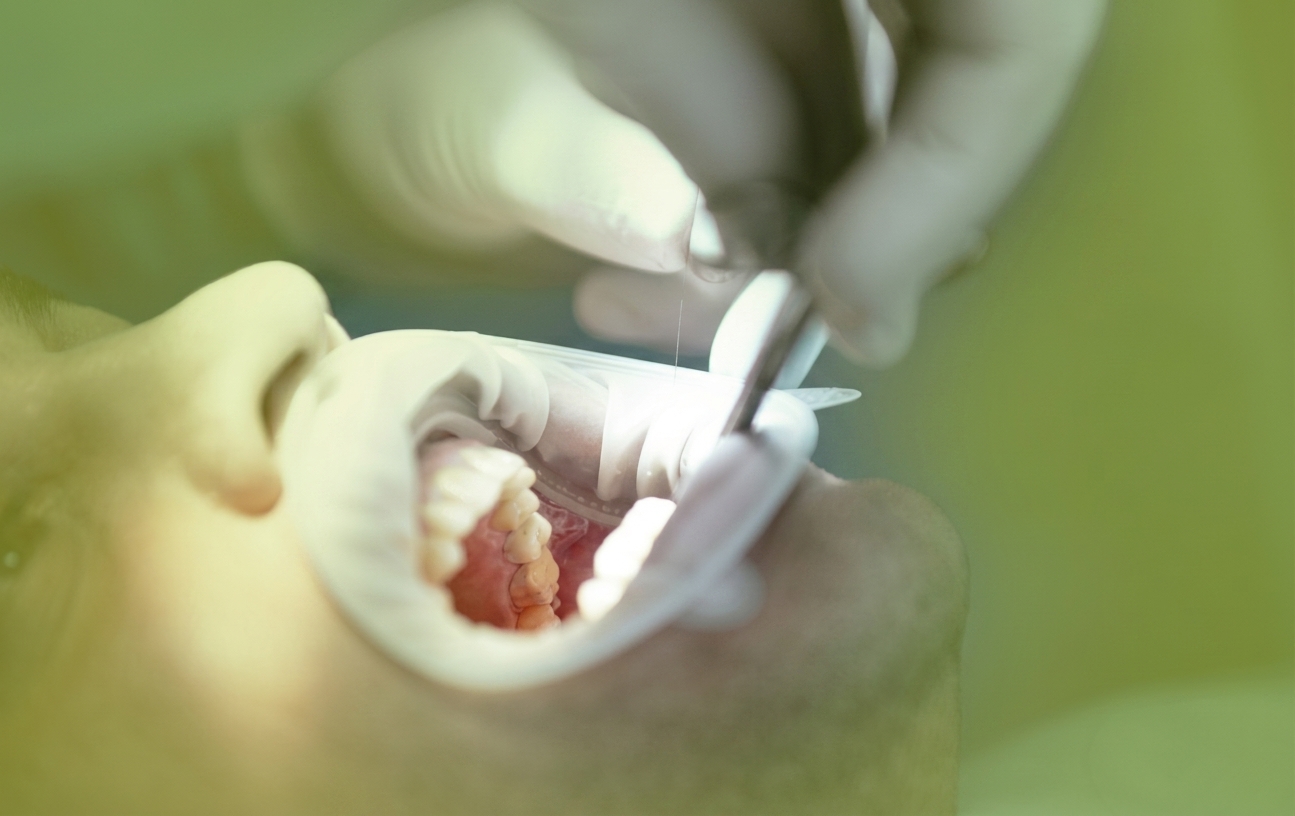
The area is completely numbed with local anaesthesia and isolated with a dental dam so you feel nothing throughout.
Infected pulp tissue is carefully removed and the canals are cleaned, shaped, and disinfected using precision rotary instruments.
The canals are filled with a biocompatible material and sealed. A permanent crown is then placed to fully restore the tooth.
Why This Treatment
Keeping your own tooth is always the best option — it maintains proper chewing, speech, and prevents surrounding teeth from shifting.
Modern anaesthesia and techniques mean root canals are no more uncomfortable than a routine filling. Many patients are surprised at how easy it is.
Mild tenderness for 1–2 days after treatment is normal. Most patients return to their normal routine the same day.
Root canal treatment is significantly less expensive than extracting the tooth and replacing it with an implant or bridge.
FAQ
Book your free consultation today — our team is ready to help you.